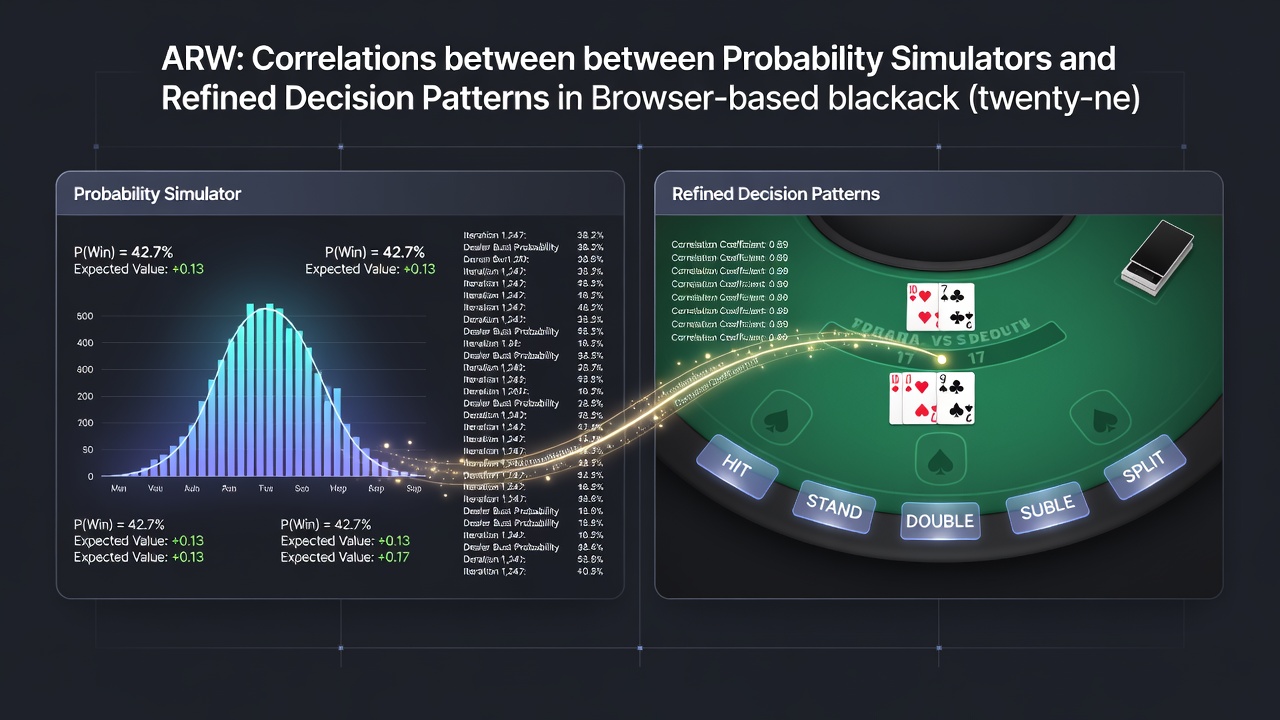
Correlations Between Probability Simulators and Refined Decision Patterns in Browser-Based Twenty-One Environments
Probability simulators model thousands of blackjack hands through repeated random sampling and track every possible combination of cards, bets, and rule variations that arise in browser environments, while players on those same platforms adjust their choices based on patterns that emerge from repeated exposure to similar conditions. Data indicates that these tools generate outcome distributions which align closely with shifts in how users handle hitting, standing, and splitting across sessions that last from minutes to hours. Studies from academic sources show measurable links between simulator outputs and the frequency of specific decisions made during live browser play, particularly when decks are reshuffled after every round or when multi-deck shoes remain in use for extended periods.
Mechanics of Probability Simulators in Twenty-One Analysis
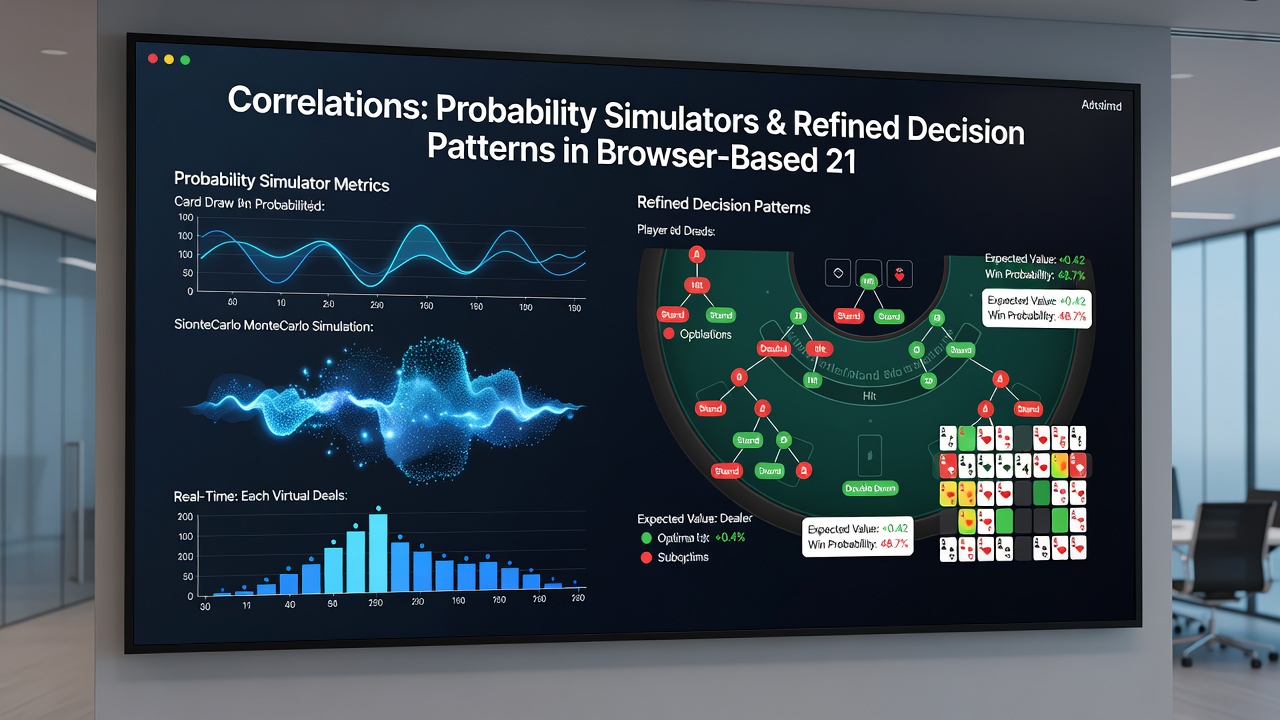
Simulators rely on Monte Carlo methods and combinatorial enumeration to calculate expected values for each player action under given rules, and they produce heat maps that highlight which choices reduce the house edge by fractions of a percent across large sample sizes. Observers note that these programs account for variables such as the number of decks, dealer hit-or-stand rules on soft seventeen, and the presence of surrender options, all of which appear in browser-based twenty-one titles. Researchers have documented that outputs from these models correlate with changes in player behavior when users review historical session data or use built-in strategy trainers that mirror simulator logic. Figures from industry reports reveal that platforms incorporating simulator-derived recommendations see users refine their deviation frequency in ways that match theoretical optimal play more closely over successive sessions.
Decision Patterns Observed in Browser Platforms
Browser environments record every click and timing choice, creating datasets that researchers compare against simulator predictions for the same rule sets. Evidence suggests that players who interact with probability overlays or post-session analytics tend to increase their adherence to basic strategy charts, especially in areas like pair splitting and insurance decisions. One analysis of aggregated user data found that decision accuracy improved by measurable margins when simulator feedback was available immediately after each hand, whereas sessions without such feedback showed slower convergence toward optimal patterns. Those who study these systems point out that timing data, such as quicker decisions on marginal hands, also aligns with simulator-identified low-variance choices rather than high-risk deviations.
Correlations Identified Across Multiple Data Sets
Cross-referencing simulator runs with actual browser logs reveals consistent relationships between certain outcome probabilities and the rate at which users adjust their betting spreads or abandon particular strategies. For instance, when simulators flag a rule variant that increases the value of doubling after splits, platform records show corresponding rises in that action among users who review similar data. Academic papers have tracked these alignments across thousands of hands, noting that the correlation strengthens when players access historical performance metrics tied directly to simulator benchmarks. Data from regulatory filings in multiple jurisdictions further supports the observation that refined decision clusters appear more frequently in environments where simulator tools integrate with the game interface itself.
Developments Anticipated for Late 2026
Industry projections indicate that browser platforms will expand simulator integration ahead of November 2026, with new APIs allowing real-time probability updates during live sessions. Regulatory bodies in several regions, including the New Jersey Division of Gaming Enforcement, have begun reviewing standards for how such tools display information without altering game fairness. Researchers expect that expanded data collection during this period will strengthen existing correlations, particularly around multi-hand decisions and bankroll management patterns that simulators already model with high precision. Reports from gaming associations in Australia and Canada highlight ongoing trials of hybrid systems that blend simulator outputs with player history to surface personalized decision prompts.
External Research and Regulatory Context
Analyses conducted by institutions such as the University of Nevada, Reno, have examined how simulator accuracy influences long-term player behavior across digital formats, while the Australian Gambling Research Centre has published findings on decision tracking in browser environments. These sources provide independent benchmarks that platform operators reference when refining their tools. Observers note that the geographic spread of such studies helps isolate regional rule differences that affect the strength of observed correlations.
Conclusion
Probability simulators supply the quantitative foundation that browser-based twenty-one platforms use to surface decision data, and recorded player actions demonstrate consistent alignment with those modeled outcomes across varied rule sets and session lengths. Continued expansion of these tools through 2026 is expected to produce additional datasets that further clarify the relationships between simulated probabilities and actual play patterns.