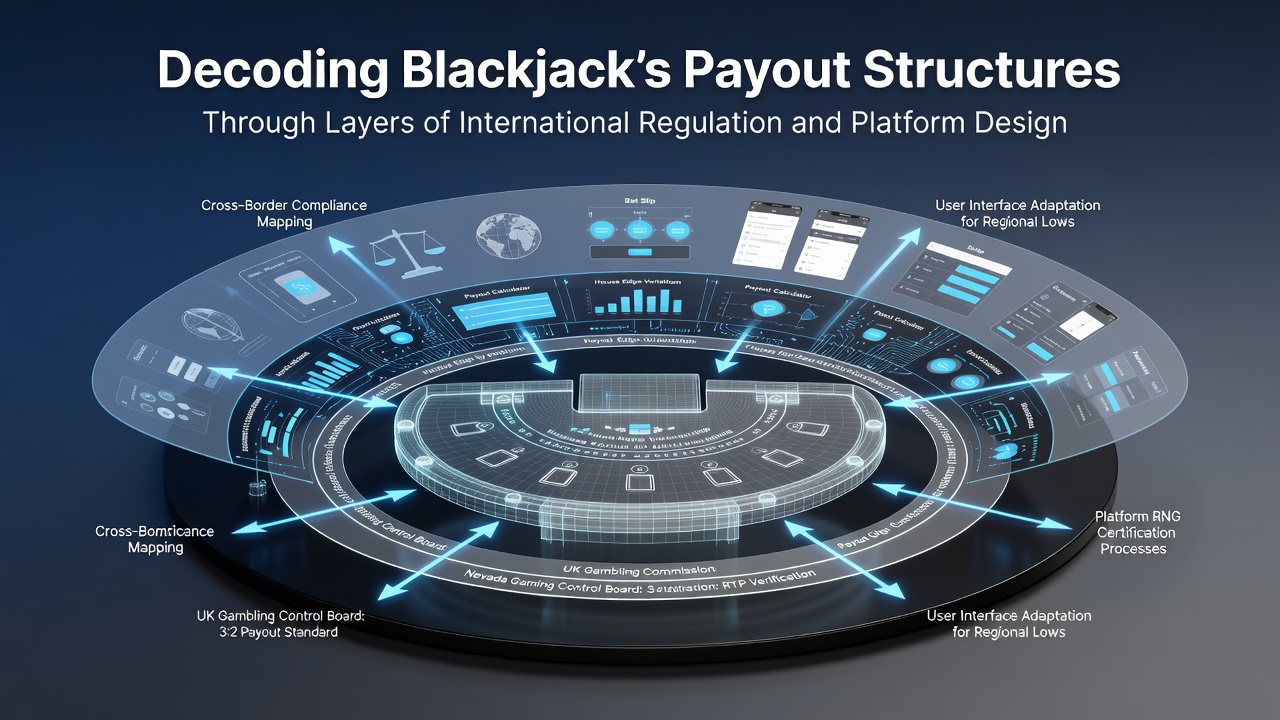
Decoding Blackjack's Payout Structures Through Layers of International Regulation and Platform Design
Data from regulatory filings shows that blackjack payout structures vary significantly across jurisdictions because each authority sets distinct requirements for house edges, minimum returns to players, and game certification standards. Observers note that these rules shape everything from the classic 3:2 blackjack payout to the more restrictive 6:5 variants that appear in certain markets, while platform operators must embed compliance mechanisms directly into software and hardware designs. Regulatory frameworks in North America establish clear benchmarks that influence payout ratios. The Nevada Gaming Control Board maintains detailed standards requiring licensed operators to submit payout percentages for approval before deployment, and similar oversight applies in New Jersey through its Division of Gaming Enforcement. In contrast, several European markets operate under the Malta Gaming Authority guidelines, which emphasize audited return-to-player figures and mandate transparent disclosure of all side bet odds on digital interfaces.Regional Regulatory Impacts on Core Payouts
Analysts tracking global casino data find that payout structures shift most noticeably when jurisdictions enforce minimum blackjack returns. In Australian states governed by state gaming commissions, operators frequently advertise 3:2 payouts on standard tables while restricting 6:5 games to lower-stakes environments, a pattern confirmed in annual compliance reports. Canadian provincial regulators such as those in Ontario require RNG certification that locks payout algorithms within narrow variance bands, limiting platform flexibility compared to less prescriptive systems elsewhere.
Asian markets present another layer of complexity where Macau's Gaming Inspection and Coordination Bureau oversees table games through strict licensing that ties payout approvals to capital reserve requirements. This approach produces consistent 3:2 structures across major properties while restricting progressive side bets unless operators demonstrate audited RTP thresholds above 96 percent. Researchers reviewing these filings observe that the same regulatory emphasis on reserve capital discourages frequent rule changes, creating more stable payout environments than those found in markets with lighter oversight.
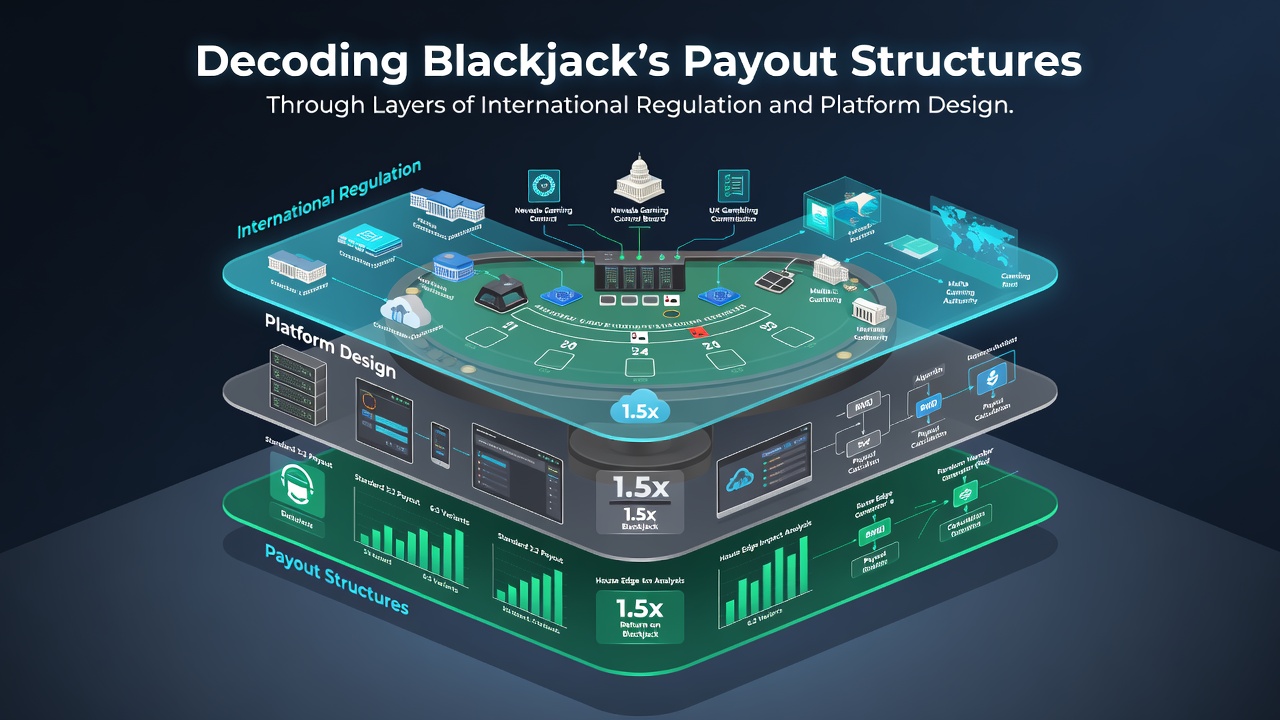
Platform Design and Compliance Integration
Software developers building online and mobile blackjack platforms must embed regulatory constraints at the code level so that payout calculations adjust automatically based on player location. Certification labs test these systems against jurisdiction-specific RNG standards before release, and live dealer platforms add another verification layer through real-time video stream audits that confirm manual dealing matches the programmed payout matrix. Those who design these platforms often integrate geofencing tools that switch between 3:2 and 6:5 configurations the moment a user crosses regional boundaries, a process documented in technical compliance documents submitted to multiple authorities.
August 2026 marks the scheduled rollout of updated interoperability standards across several European digital gambling frameworks, requiring platforms to display jurisdiction-specific payout breakdowns within a single interface. This change forces developers to redesign backend logic so that insurance bets, even money options, and surrender rules align precisely with the active regulatory profile without introducing latency during live sessions. Industry reports indicate that early testing of these systems shows reduced discrepancies between advertised and actual returns once the new protocols activate.
Side Bets and Progressive Structures Under Scrutiny
International rules also govern how platforms calculate and display side bet payouts such as Perfect Pairs or 21+3. Regulators in multiple regions now require separate RTP disclosures for every side wager, and platform architectures must isolate these calculations from the main game engine to satisfy audit trails. Data collected by independent testing agencies reveals that progressive jackpot side bets trigger additional reporting thresholds once cumulative prizes exceed defined monetary limits, prompting operators to adjust contribution rates dynamically within the software.
Conclusion
Blackjack payout structures emerge from the intersection of layered international regulations and the technical constraints of modern platforms. Jurisdictions maintain distinct approval processes that dictate everything from base game ratios to side bet mechanics, while platform designs translate these mandates into functional code that adapts across borders. As August 2026 approaches, further standardization in digital environments will continue to shape how operators present and deliver these payouts to players worldwide.